

Understanding Dust Mites and Dust Mite Allergies
Dust mites hide in mattresses, pillows, carpets, and more. They can trigger allergies, causing nasal congestion, asthma, or itchy skin, and affecting daily life. This article discusses dust mite habits, allergy symptoms, and prevention methods to help you create a healthy home!
Understanding Dust Mites and Dust Mite Allergies
Dust mites are tiny arthropods, measuring only about 0.2 to 0.3 millimeters, making them almost imperceptible to the naked eye. They are widely present in human living environments, especially preferring warm and humid places. The main allergens from dust mites come from their feces, dead bodies, and secretions. These dust mite substances can trigger allergic reactions in the human immune system, leading to dust mite sensitivity. Dust mite allergens floating in the air, when inhaled or in contact with the skin, may cause dust mite allergy symptoms, affecting daily life. Dust mite sensitivity can cause discomfort, especially for individuals with sensitive constitutions.
Dust Mite Breeding Environment and Hiding Places
Dust mites thrive in environments with temperatures between 20-30°C and relative humidity between 60-80%, conditions that highly overlap with typical household environments. Dust mites feed on human and animal dander and are commonly found in mattresses, pillows, bedding, carpets, upholstered sofas, curtains, and plush toys. These locations provide ideal breeding grounds for dust mites, increasing the risk of dust mite sensitization. The accumulation of dust mites in these areas can easily trigger allergic symptoms, especially in individuals sensitive to dust mites.
Classification of Dust Mite Allergy Symptoms
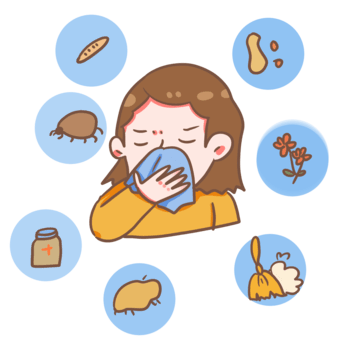
Dust mite allergies mainly affect the respiratory tract, skin, and eyes, with symptoms including:
- Respiratory symptoms: Allergic rhinitis (sneezing, nasal congestion, runny nose) and asthma (wheezing, chest tightness, difficulty breathing) triggered by dust mite sensitivity, especially noticeable in the early morning or at night.
- Skin symptoms: Atopic dermatitis or eczema, manifesting as redness, swelling, and itching.
- Eye symptoms: Allergic conjunctivitis, with red and itchy eyes, tearing, or a burning sensation.
These symptoms often worsen with exposure to dust mite allergens. In severe cases, dust mite allergies can lead to fatigue or difficulty concentrating, impacting quality of life.
Dust Mite Home Protection Strategies
Consumer Council advice:
Regular Cleaning
Washing bedding such as sheets and pillowcases every one to two weeks effectively kills dust mites and removes their excrement, reducing the risk of dust mite allergies. Washing with hot water also removes skin flakes, a food source for dust mites, thereby controlling their population. Regularly cleaning your home with a damp cloth or vacuum cleaner, and avoiding dry cloths, feather dusters, or brooms, can prevent stirring up dust mites and dust, which can aggravate allergy symptoms.
Reduce Dust Mite Habitats
Dust mites often hide in pillows, pillow protectors, pillowcases, sheets, mattresses, quilts, and even carpets in bedrooms. These items are ideal habitats for dust mites because, in addition to being warm and moist, they retain skin flakes shed daily by users, which dust mites consume. Therefore, it is best not to place plush toys on the bed, or use heavy curtains and long-pile carpets in the home. If plush toys are not in use, they should be stored in plastic bags to prevent dust accumulation.
Control Room Humidity
Located in a subtropical region, Hong Kong's humid environment is conducive to dust mite reproduction. High humidity makes dust mites more likely to breed, increasing the risk of dust mite allergies. Controlling humidity is an important measure to prevent dust mite allergies. Using a dehumidifier to lower indoor humidity to below 50% and maintaining a dry environment can effectively inhibit dust mite growth and prevent mold. During dry autumn and winter days, opening windows for ventilation helps reduce dust mites and improves indoor air quality.
Use Anti-Mite Bedding
The fabrics used in general bedding have larger gaps between fibers, allowing tiny dust mites to move freely through the fabric's crevices to feed and reproduce, thus offering no protection against mites. Anti-mite bedding, on the other hand, mostly relies on physical anti-mite principles. For example, some fabrics are laminated with a film, use microfibers, or are constructed using weaving or non-weaving methods to create smaller gaps or pores between fibers, resulting in a tighter structure that prevents dust mites from passing through, thereby reducing the risk of dust mite allergies.

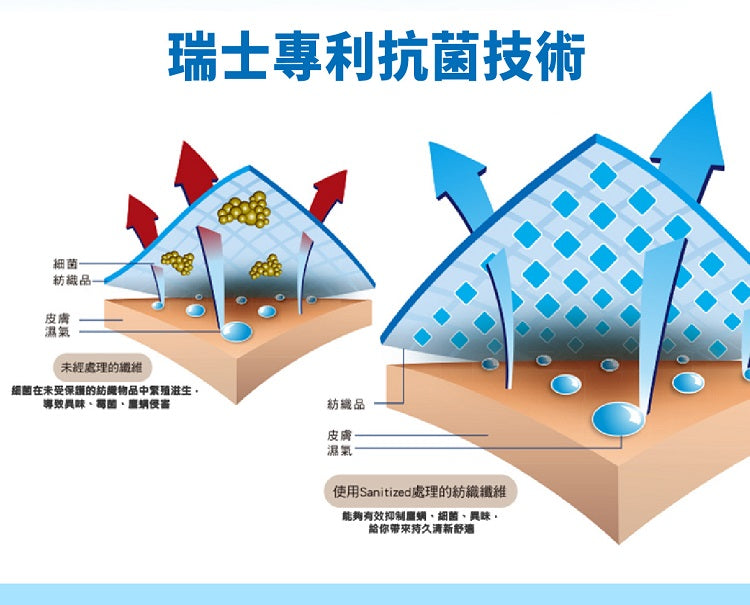
Swiss Sanitized® Swiss Patented Anti-bacterial and Anti-mite Series features advanced antibacterial technology developed by Sanitized AG of Switzerland. Established in 1935, the company boasts nearly a century of expertise in antimicrobial solutions.
Technical Principle:
Sanitized® technology uses natural or safe antimicrobial ingredients (such as zinc ions or silver-based technology Silvertec™) that activate in environments conducive to microbial growth, inhibiting the proliferation of bacteria, fungi, and dust mites. These ingredients are scientifically integrated into the material, ensuring long-lasting protection without affecting the material's original properties.
International Certifications:
Sanitized® technology is certified by multiple international standards, including OEKO-TEX Standard 100® (certification for no harmful substances), bluesign® (environmentally friendly certification), and Allergy UK, ensuring products are safe, harmless, and non-toxic to both humans and the environment.
Summary
Regular cleaning, reducing dust mite hiding places, controlling indoor humidity, and using allergen-proof bedding are effective measures to lower dust mite populations and reduce the incidence of dust mite allergies. For individuals with sensitive constitutions, these protective strategies can not only improve the home environment but also significantly enhance their quality of life by reducing discomfort caused by dust mites. Actively addressing dust mite issues can make your home a healthier and more comfortable space!


